
Lath, Plaster, and Stucco Systems in Bakersfield, CA
We execute highly durable, rigorous three-coat cementitious plaster and exterior stucco systems, honoring classic architectural design with modern, weather-resistant materials.
Bakersfield Elite Drywall specializes in premium lath, plaster, and stucco systems in Bakersfield, CA, providing incredibly durable, impact-resistant finishes for custom homes and commercial facades.
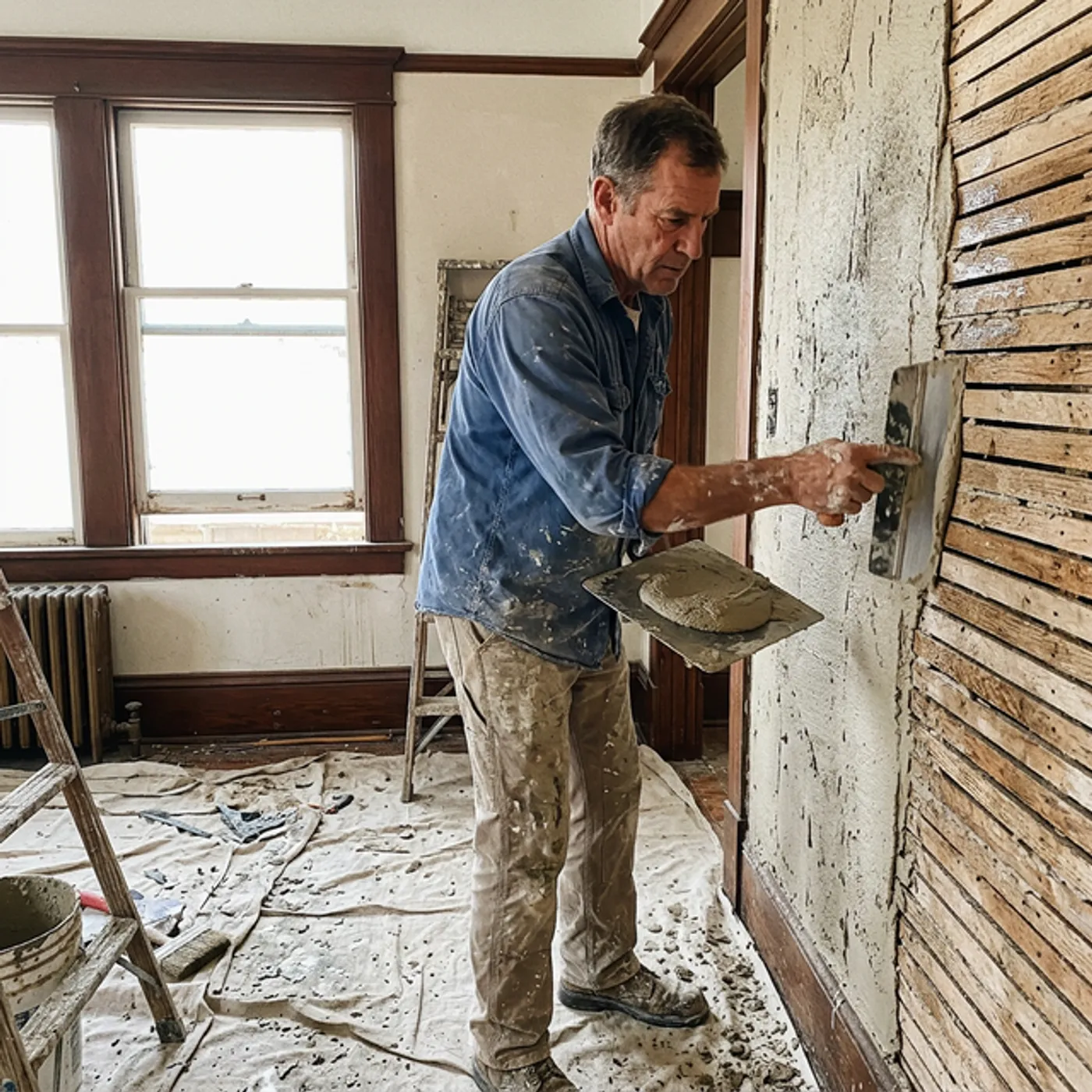
While modern gypsum drywall is undoubtedly the standard for interior speed and cost-efficiency, traditional wet plaster and exterior stucco represent an entirely different echelon of architectural durability. Plastering is an ancient, highly skilled trowel trade. It entails systematically layering heavy, wet cementitious or gypsum-based mixtures over a rigid metal or wood lath skeleton. The physical result is a wall surface that is drastically harder, more acoustically dampening, and significantly more fire-resistant than any standard paper-faced drywall board.
In the punishing climate of the Central Valley, where homes endure unrelenting summer sun, intense dry heat, and sporadic heavy winter rainfall, a poorly applied exterior stucco system will quickly fail, leading to massive structural water rot. We execute rigorous, code-compliant three-coat stucco systems that essentially encase your property in a protective shell of decorative stone. Whether you require meticulous interior plastering for a heritage home restoration or a massive commercial exterior cladding project, our master plasterers possess the intense physical stamina and artisan trowel skills required for flawless execution.
Our Core Plaster and Lath Services
Properly applied plaster and stucco will easily outlast the occupants of the building. We focus heavily on the underlying foundational prep work to guarantee decades of crack-free aesthetic performance.
Traditional Three-Coat Stucco System
The gold standard for California exteriors. We meticulously install weather-resistant barriers and heavy galvanized metal lath over the exterior sheathing. We then apply a heavy "scratch coat" for foundational adhesion, followed by a thick "brown coat" to establish perfect plumb and level. Finally, we trowel on a decorative color finish coat, producing a monolithic, incredibly impact-resistant protective facade.
Interior Veneer Plastering
For high-end custom homes seeking the extreme durability and unique bespoke feel of plaster without the massive cost of full metal lath. We install specialized "blueboard" (plaster base gypsum) and trowel a highly compressed, ultra-hard 1/16-inch to 1/8-inch veneer plaster completely over the face of the board, resulting in a diamond-hard, inherently beautiful interior wall.
Historical Restoration & Crack Repair
Many historic homes built before the 1950s feature traditional wood lath and heavy horsehair plaster. Over decades of foundation settling, the plaster "keys" break, causing massive walls to sag and crack deeply. We specialize in delicately reattaching sagging plaster to the original wood lath using specialized injection adhesives and expertly patching the damaged areas to blend flawlessly with the 100-year-old texture.
Synthetic and Acrylic Finish Coats
While traditional cement stucco is incredibly hard, it lacks flexibility. For modern commercial buildings experiencing heavy thermal expansion, we frequently utilize advanced elastomeric acrylic finish coats. These synthetic finishes bridge micro-cracks before they become visible, retain vibrant colors far longer than cement, and violently repel rain water, ensuring a pristine facade for decades.
The Art of Wet Troweling
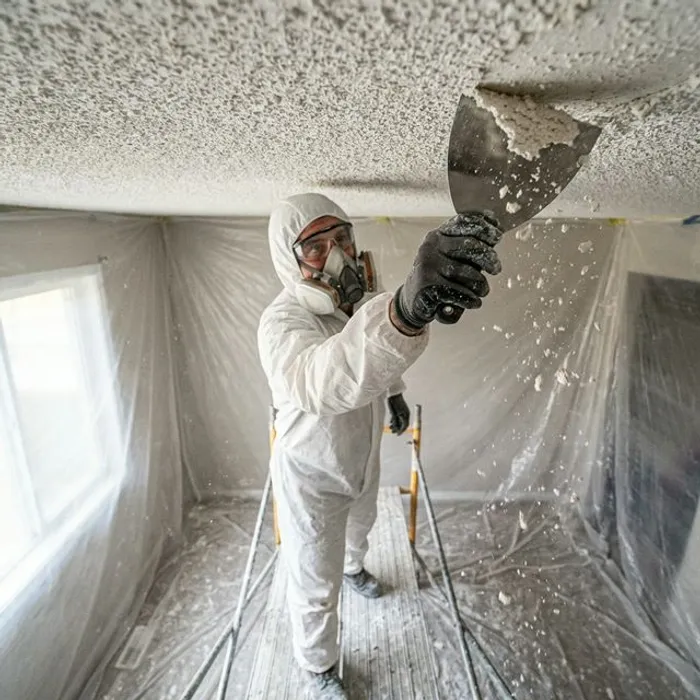
Applying wet heavy plaster overhead or onto massive exterior walls is one of the most physically demanding trades in construction. Hand-troweling requires intense rhythmic motion, aggressive pressure, and speed before the material radically sets.
- Lath and Moisture Barrier Installation: Every successful stucco job relies heavily on keeping the underlying wood framing dry. We install overlapping layers of grade-D building paper. Over that, we staple heavy expanded diamond-mesh metal lath, ensuring it is pulled incredibly taut to support the massive wet weight of the upcoming cement layers.
- The Scratch and Brown Coats: The scratch coat is forced deeply into the metal lath to create a strong mechanical bond, then deeply horizontally grooved (scratched) to provide tooth for the next layer. After proper curing, the brown coat is applied to build the overall wall thickness to a rigid 7/8 of an inch. We utilize long aluminum darbies and screeds to cut the brown coat perfectly flat and plumb across large expanses.
- Custom Artisanal Finishing: The final aesthetic coat is incredibly thin (roughly 1/8 inch). Whether you desire a coarse heavy sand finish, an elegant Santa Barbara smooth trowel, or a decorative Spanish lace, our skilled artisans manipulate the wet material using specialized floats, sponges, and steel trowels to craft the exact bespoke texture required.
The Durability Difference
The upfront labor costs of plaster and stucco are undeniably higher than simply screwing up drywall panels, but the long-term ROI is massive.
Veneer plaster interior walls are exponentially more difficult to dent or scratch compared to soft joint compound. They provide fantastic sound isolation between bedrooms and effectively act as passive thermal mass grids, absorbing and slowly releasing ambient room temperatures. Externally, a properly executed three-coat stucco system provides an incredibly dense, fireproof armor that routinely lasts over 50 years with basic maintenance. Unlike vinyl or wood siding that requires frequent, expensive repainting, our integrated color coat stucco holds its vibrant aesthetic straight through the harsh California summers.
Frequently Asked Questions
Clarifications regarding stucco curing, plaster repairs, and long-term durability.
Why are there hairline cracks in my exterior stucco?
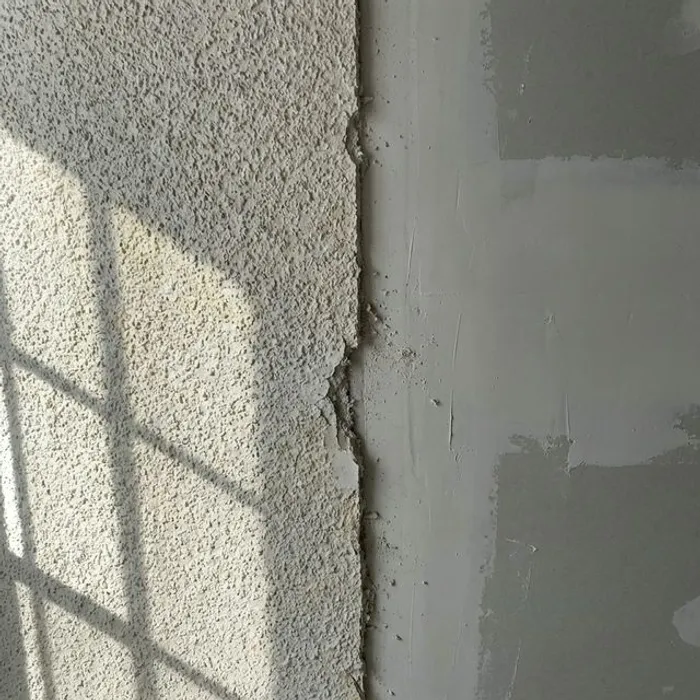
Minor hairline cracking is a totally natural characteristic of cement-based stucco as it inevitably shrinks during the initial water evaporation and curing process. While small cracks are simply an aesthetic issue and totally normal for Bakersfield homes settling, large jagged cracks wider than a credit card indicate severe structural movement and water intrusion, requiring immediate professional patching.
How long does a new stucco installation take to cure?
A proper three-coat system takes time. The heavy scratch and brown coats require significant water curing—we actively hose them down to slow the drying process, ensuring the cement achieves maximum hardness before applying the final color coat. Rushing the process guarantees massive shrinkage cracking later. The entire installation generally spans 2 to 3 weeks of staggered labor and curing cycles.
Can I paint over my old stucco house?
Yes, but standard house paint will not allow the stucco to "breathe" moisture out. Trapping moisture leads to catastrophic blistering and localized mold rot. We strongly recommend pressure washing the old facade and having us apply an advanced elastomeric acrylic coating or a brand new thin color coat to fully revitalize the home without trapping destructive moisture.
Invest in Monumental Durability
Stop relying on flimsy, high-maintenance exterior siding. Contact Bakersfield Elite Drywall for master-level troweling, robust three-coat stucco, and heritage plaster restoration across Bakersfield and Central California.